Bifold Doors versus Sliding Doors: Which Option Is Best for Your Home?
When considering choosing between sliding doors and bifold doors, homeowners are presented with a pivotal determination. Each choice provides notable benefits tailored to different needs. Bifold doors produce a fluid connection between interior and exterior spaces, as sliding doors deliver a streamlined, space-conscious alternative. Grasping the distinctions between each option can greatly impact the look and practicality of your home. Which option will ultimately elevate your home's beauty and function? The answer may surprise you.
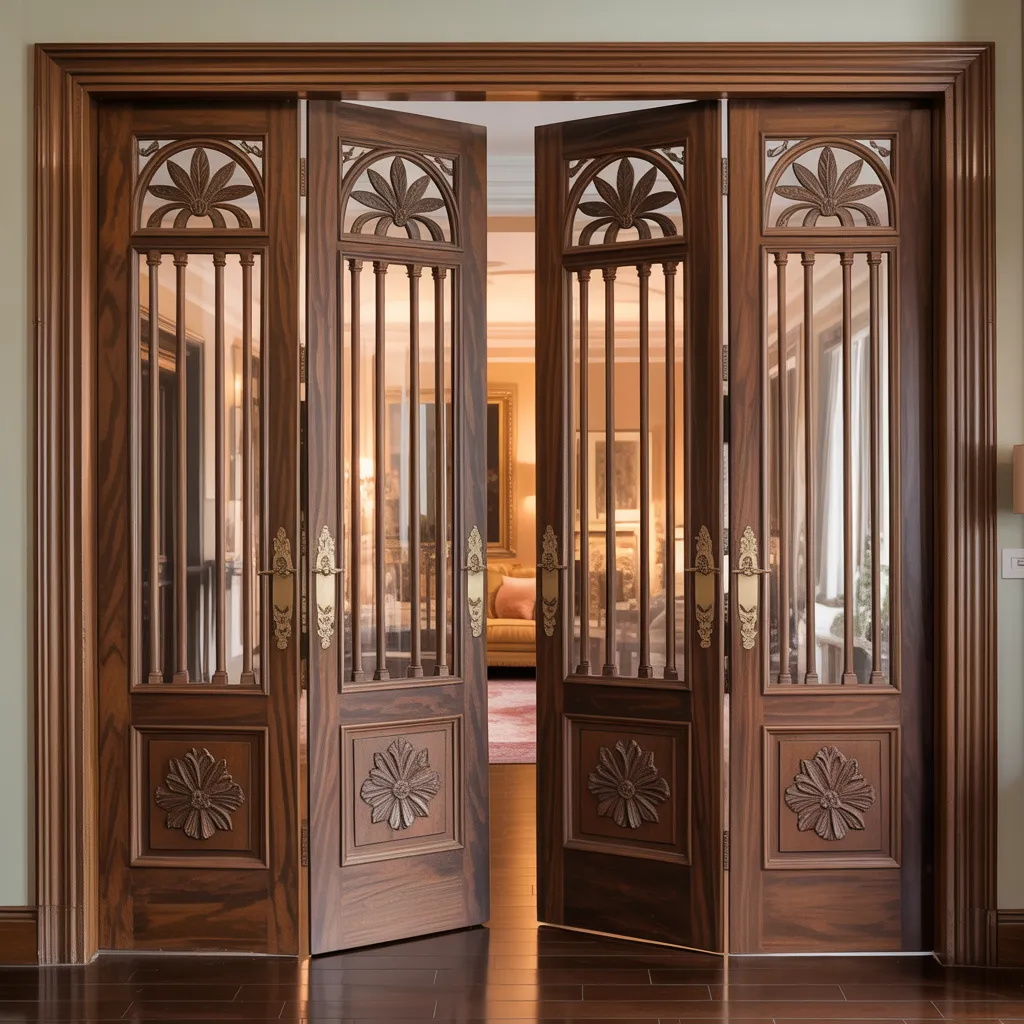
Bifold vs. Sliding Doors: Which Option Suits Your Space?
When choosing between bifold and sliding doors, what considerations are important for optimal functionality and visual appeal? Space availability is a key factor; bifold doors require more room to swing open, making them well-suited for more spacious areas. In contrast, sliding doors glide along a track, requiring less space, which proves highly beneficial for smaller or more confined areas.
The style of the home also plays a significant role. Bifold doors tend to deliver a more modern aesthetic, due to their capability of producing broad openings, boosting the connection between interior and exterior areas. On the other hand, sliding doors offer a clean, minimalist look that pairs well with modern design styles.
Longevity and upkeep are further factors to consider. Bifold doors may have more moving parts, potentially leading to increased wear over time. Meanwhile, sliding doors typically have fewer components, which can simplify upkeep. At the end of the day, selecting between bifold and sliding doors comes down to individual needs, personal taste, and the particular features of the space being considered.
Top Benefits of Bifold Doors
Bifold doors provide considerable benefits for modern spaces, particularly in their space-saving design. By folding neatly to one side, they generate an open setting that optimizes available space. Additionally, their large glass panels increase natural light flow, lightening interior spaces and establishing a fluid connection with the outside.
Space-Optimizing Design Edge
Since homeowners are always searching for ways to optimize their living areas, bifold doors offer an impressive answer. Their unique design allows multiple panels to fold neatly against one another, producing a wide opening that requires no substantial swing consult this source radius. This functionality is particularly advantageous in smaller areas where traditional doors may impede movement or limit usable space. Bifold doors effortlessly bridge indoor and outdoor spaces, improving the home's overall flow while offering versatility in design arrangements. Moreover, they can be tailored to accommodate different dimensions, making them an ideal fit for any area. In summary, bifold doors not only conserve space but also present an effective means of improving both practicality and visual appeal in home environments.
Improved Natural Light Access
As homeowners look to enhance the light in their homes, bifold doors prove to be an ideal solution for improving access to natural light. In contrast to conventional sliding doors, which typically consist of one fixed panel, bifold doors are designed with several panels that fold back, forming a broad entryway. This configuration optimizes the entry of natural light, brightening interior spaces with greater efficiency. The wide glass panels enable sunlight to reach further into living spaces, decreasing the dependency on electric lighting during daylight hours. Moreover, when fully opened, bifold doors create a seamless connection between indoor and outdoor spaces, contributing even more to the overall brightness of the living space. This capacity to welcome natural light not only enhances the visual appeal but also cultivates a warmer atmosphere.
Why Sliding Doors Are Worth Considering?
When considering options for maximizing space and aesthetic appeal, sliding doors frequently emerge as an excellent option for numerous homeowners. Their elegant design enables smooth connectivity between inside and outside living areas, improving the overall movement within a home. Compared to standard copyrightd doors, sliding doors need no extra space to open outward, making them notably suitable for more limited spaces.
Furthermore, sliding doors may be personalized with diverse materials and finishes, making sure they match every architectural design. They additionally provide generous glass surfaces, offering clear views and ample natural lighting, which may produce a more appealing setting.
Regarding functionality, sliding doors are usually more straightforward to use, requiring minimal effort to open and close. This practicality, together with their design benefits, positions sliding doors as a compelling option for homeowners seeking to improve both the practicality and aesthetics of their living spaces.
Space Efficiency: Bifold vs. Sliding Compared
Sliding doors shine in conserving space, but bifold doors offer a attractive option for homeowners wanting to open up their spaces. Sliding doors operate on a track, permitting one panel to move past another, requiring minimal floor space when open. This feature makes them well suited for compact spaces where saving space is a priority.
By comparison, bifold doors consist of multiple panels that fold back against one another. When fully opened, they form a broader passageway, which can enhance the flow between indoor and outdoor spaces. However, this setup demands more floor space to allow for the folding movement, which may be something to consider in limited areas.
When everything is taken into account, the ultimate choice regarding bifold versus sliding doors is determined by the specific needs of the property owner. Homeowners who prefer open sightlines and broader entryways might gravitate toward a bifold door configuration, while people who require effortless performance in limited spaces could benefit more from a sliding door solution.
Price Breakdown: Bifold vs. Sliding Doors
Expense remains a key consideration for homeowners exploring bifold or sliding doors, with both choices presenting unique cost considerations. Typically, bifold doors tend to be more expensive due to their intricate mechanisms and the need for superior materials to secure smooth operation. Fitting costs can also be higher, requiring experienced professionals for accurate installation.
On the other hand, sliding doors frequently carry a reduced cost, making them a more budget-friendly option. The simpler design generally leads to decreased installation fees. Nevertheless, homeowners should consider possible future costs, such as thermal performance and the need for maintenance or part replacements.
Ultimately, while bifold doors provide a attractive and multifunctional solution, sliding doors may provide a more cost-effective choice at the outset. Weighing both immediate costs and potential ongoing expenses is crucial for homeowners to reach a well-informed conclusion based on their financial constraints and lifestyle requirements.
Durability and Maintenance: Which Option Has a Longer Lifespan?
Maintenance and durability are key considerations for homeowners assessing bifold and sliding doors. Bifold doors, typically made from wood or aluminum, require routine upkeep to prevent wear and tear on copyrights and tracks. Homeowners must guarantee the mechanisms are adequately greased and check for any signs of decay or harm, particularly in wood-based designs. In contrast, sliding doors generally have a less complex structure with minimal mechanical elements, which can lead to decreased care demands. However, the tracks can accumulate dirt and debris, necessitating periodic cleaning to guarantee smooth operation.
When it comes to durability, both types of doors can endure for many years with proper maintenance. Bifold doors are often more prone to the effects of environmental exposure, while sliding doors tend to deliver reliable protection against the elements. Ultimately, the choice between bifold and sliding doors should consider individual lifestyle, maintenance preferences, and the specific material used in the door's construction.

Frequently Asked Questions
In What Ways Do Bifold and Sliding Doors Impact Home Energy Efficiency?
Bifold doors generally improve thermal efficiency by providing superior insulation and minimized air leakage, while sliding doors tend to cause increased heat loss because of their wider openings. In general, bifold doors frequently deliver exceptional thermal performance.
Can I Install Bifold or Sliding Doors Myself?
Installing sliding or bifold doors by yourself is achievable for homeowners with DIY experience. That said, precise measurements, the right tools, and adherence to installation guidelines are crucial to ensure proper functionality and sustain energy efficiency in the property.
What Are the Top Materials for These Types of Doors?
When it comes to bifold doors, high-quality wood or aluminum is recommended due to durability and aesthetics. Sliding door installations typically perform best with vinyl or aluminum frames, offering resistance to weather and simple upkeep while guaranteeing seamless functionality.
How Do I Choose Between Glass or Solid Panels?
Choosing between glass versus solid panels depends on desired aesthetics, natural light, and privacy. Glass panels improve openness and brightness, while solid panels deliver insulation and soundproofing, catering to different preferences and functional needs in a home.
Bifold or Sliding Doors: Which Is the Better Choice for Small Spaces?
Bifold doors tend to be more suitable for limited spaces, as they retract entirely and create a fluid connection between inside and outside. Sliding door systems, while practical in terms of space, fail to deliver the same wide-open access as bifold door solutions.